
Discover the secrets that top NGOs use to keep their operations smooth and make a real difference in the world.


They set vague donation targets or wrong size goals which ends up derailing the actual plan of action.

Majority of their grant comes from one donor. This means that if that source goes away, they would be forced to stop.

They unintentionally overlook the practices of the society they work in, creating misconceptions among the locals.

Most of the activities revolve around one person like a KMP, making stakeholders feel less important.

NGO owners often invest their resources emotionally, rather than factually. This stifles growth.

Registration under the Society Registration Act 1860 or relevant State Act
Minimum of 7 members required
Operations are limited to the state of registration and are difficult to expand
Operates democratically with Annual Elections
Most affordable
It is best for founders with limited operations and smaller budgets.

Registration under the Indian Trust Act 1882
Minimum of 2 members required
It can operate nationwide, but lack of Registration certificate can cause issues.
Least democratic, as trustees can hold positions for life
Expensive than societies
Best for founders who want to keep operations within a family

Registration under the Companies Act 2013, which is a Central Act
Minimum of 2 members required
Can operate across India without issues as records are available online
Highly democratic with regular meetings
Most expensive to set up and maintain
Best for large-scale, transparent operations with significant budgets


Manage your finances better and clever.
Comply with all the legal requirements, including tax laws and financial reporting.
Meet the grant requirements to make your application effective.
Ensure all your financial records are accurate.
Grow your NGO using our team’s expert financial advice.

Years of Experience NGO Growth

Hello! We’re _____ and we’re passionate about helping people continue to make a positive impact. Our goal is simple: to help trusts, societies, and NGOs manage their finances smoothly so that they focus on what really matters—their mission.
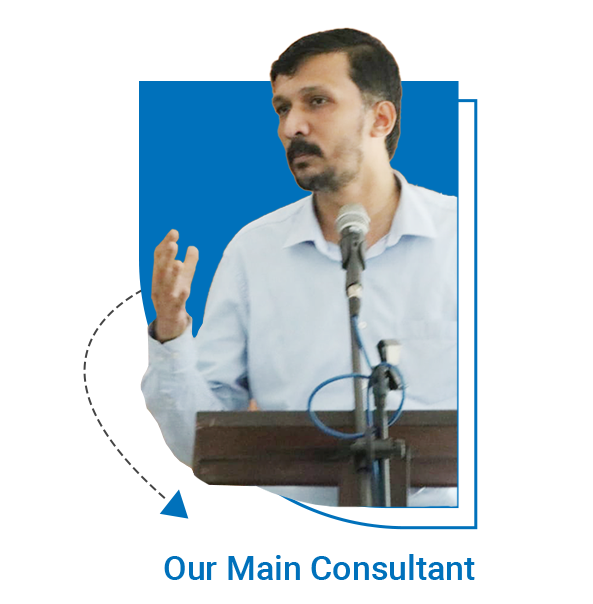
We believe in the power of collaboration and community. By choosing us, you’re choosing a team led by CA Jacob Baboo, an NGO Growth Expert who has helped several organizations drive positive change by optimizing their finances.
Jacob Baboo is CA by profession and a passionate
advocate of social justice at heart. With over 10 years of experience, he has helped ___
trusts,
societies, and NGOs to survive and thrive.
Jacob and his team of 25+ professionals
are driven by one goal: to use their technical skills to make the world a better
place.
So, when you work with us, you’re not just getting a service, you’re tapping into the brilliance of a financial expert who deeply understands the heartbeat of NGOs.


Leads to disappointment when seeking financial support..

Leads to doubts among the stakeholders.

Leads to penalties, or in severe cases, cancellation of your NGO’s license.


